What Makes A Villain You Love To Hate?
Five Characteristics of A Heinous Piece of Shit
We can all name a villain in our reading lives that it's absolutely on sight with. The one who did the unspeakable...made us so upset we may have even thrown the book at the wall. Certainly, we can all recall that incident that genuinely shocked us, because of the lengths the villain was willing to go to get their desired response from the hero, or at least the POV character they were messing with in the moment.
But what makes a villain so damned fun to hate? Why are they so often the best part of the story?
I'm here with you today to unpack this. So, without further ado, let's get into five characteristics of a heinous piece of shit.
Do be warned, there are spoilers for several books ahead.
1. A Win At Any Cost Mentality
Villains in fiction tend to view themselves as unstoppable, but it's in their actions that they make themselves into real forces of nature. We necessarily get the villain at the stage in their life cycle where they're almost certainly going to be taken down, but they've generally built whole entrenched systems to keep themselves relevant and comfortable by the time we meet them.
A really compelling villain will stop at nothing to get what they want.
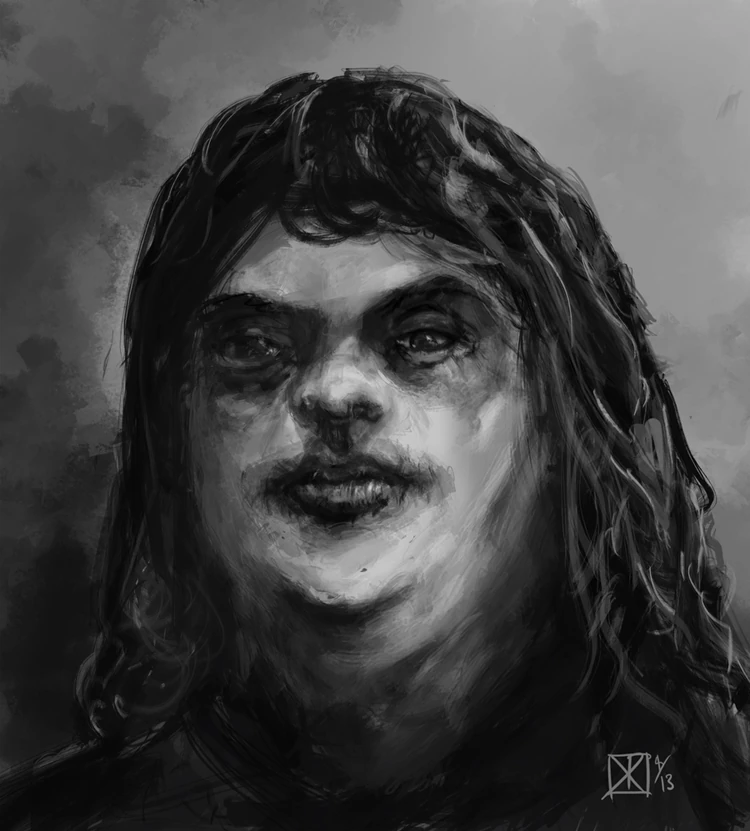
A good example is Mallick Rel, of Malazan fame. When we first meet Mallick Rel in Deadhouse Gates, we see that he's willing to connive his way into a position of power, and his manipulation of a military elite in a certain city ultimately leads to a brutal moment in which a beloved hero, who has taken a train of refugees across a hostile continent to safety, is met is met with a closed and barred gate. The hero of the hour is then unceremoniously killed in plain sight of the place of safety he has spent months trying to get these people to. A later smear campaign facilitated by Malick the Malicious (and his favorite partner in crime, Korbolo Dom) sees racial violence directed at the hero's people, who the Empress he is manipulating sacrifice for the cause of creating a sense of stability among a people who just want blood.
2. An Inflated Sense of Self-Importance
A villain wouldn't be a villain if they didn't have the confidence to pull off their most depraved acts, but sometimes this characteristic comes out in subtle ways.
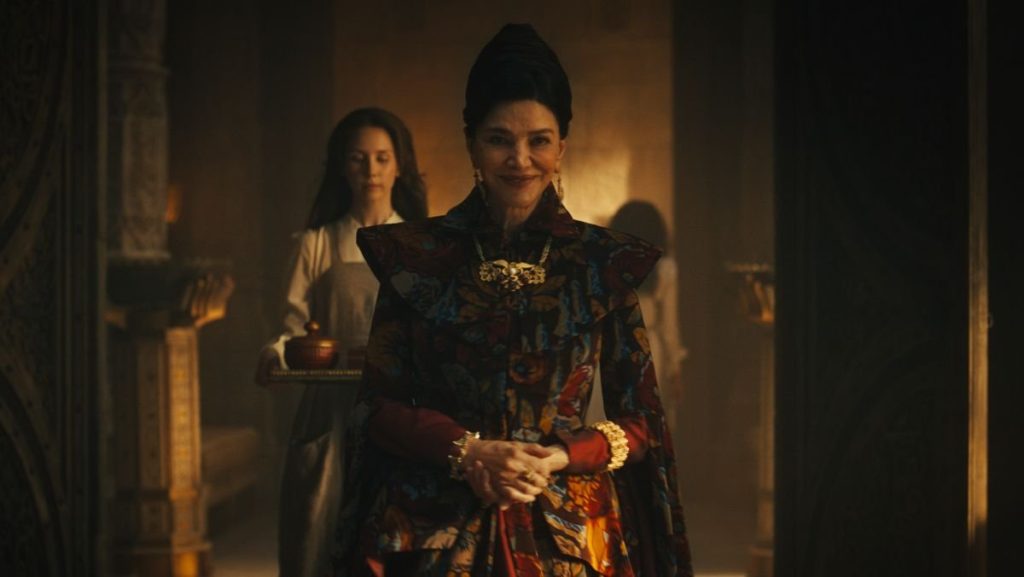
In Elaida do Avriny A'Roihan of Wheel of Time fame, we see a woman whose own self aggrandizing tendencies ultimately lead her to supplant the Amyrlin Seat, perhaps the most powerful woman in the world, only to serve the interests of a cabal of witches, themselves servants of the Dark One--enemy of all that is good in the world, pure evil embodied. though she is ultimately a puppet for this faction within the White Tower, her sense of self does not allow her to see the destruction she is causing, even as she captures the Chosen One and sets him on a dark path fans lovingly refer to as his Darth Rand era.
This inflated ego also leads her to find justification for building a separate palace to house the Amyrlin Seat (really her), breaking from millennia of tradition, wherein the Amyrlin maintains an office high in the White Tower itself.
In Elaida, we see what an inflated sense of self-importance does for a villain. It allows them to do despicable things for their own gain, without ever really interrogating how their actions might impact others, on both an acute and global scale.
3. A Willingness to Manipulate Others
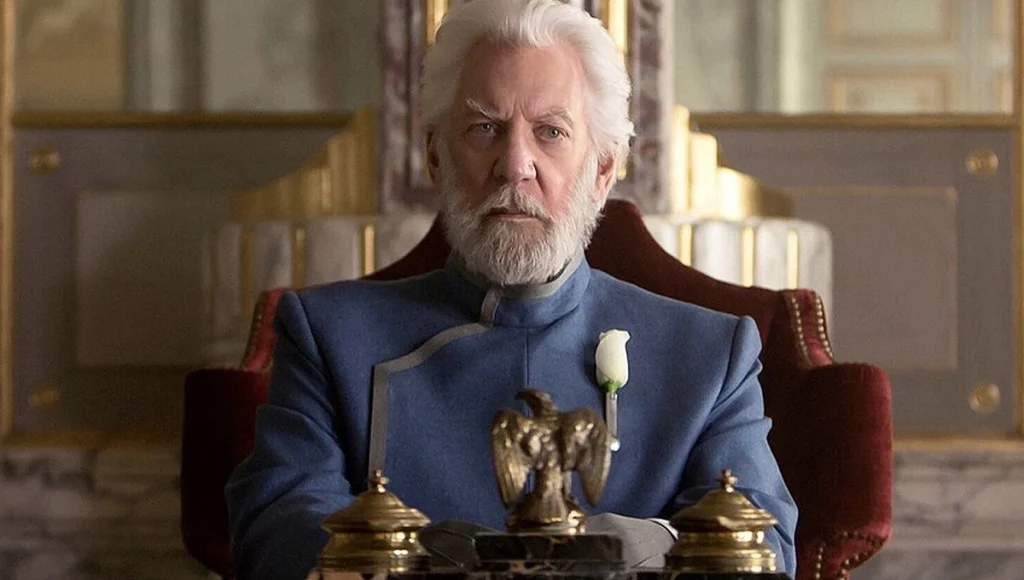
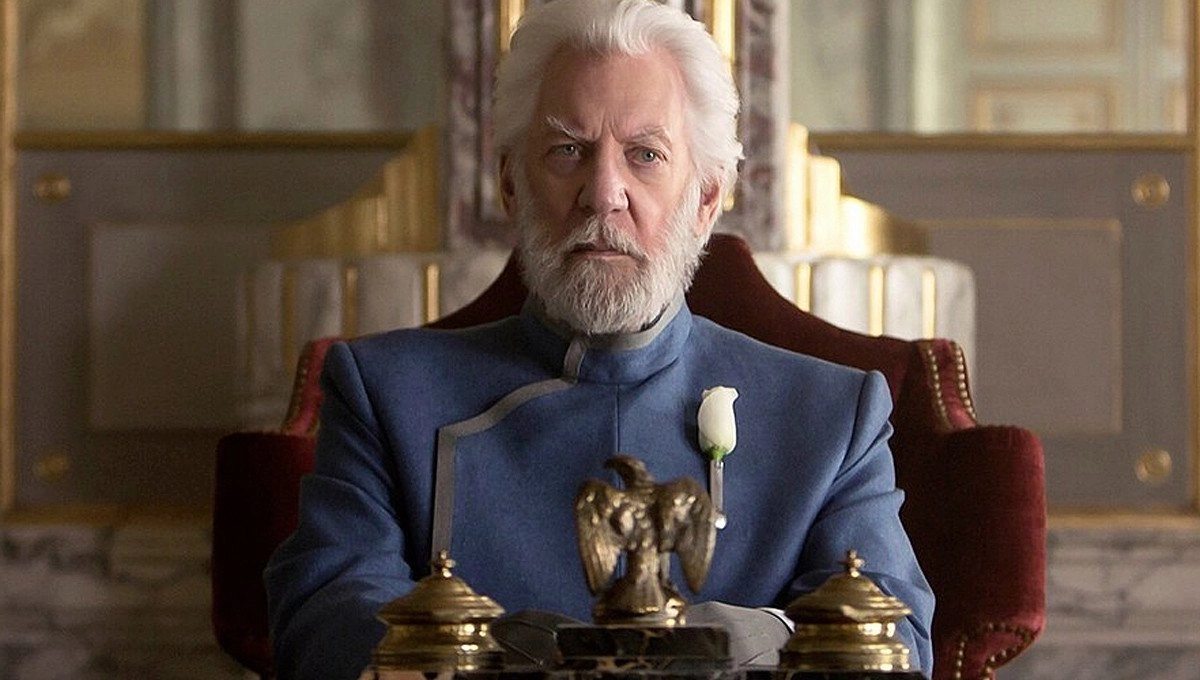
In Coriolanus Snow, we see a man who will go to great lengths to get what he wants, but perhaps the best example lies in the way he uses Katniss's attachment to her sister to keep her in line. Throughout most of the Huger Games series, we see that she will essentially fall on her sword to protect her sister, an Achilles heel he is well aware of, and highlights in virtually every one of their conversations leading up to the end of the 75th Hunger Games.
Snow embodies the use of coercive tactics to make others dance to his tune, a feature we see in so many villains of consequence. Often relying on fear as a motivator, villains tend to package their desires in language and actions that keep the people under their control from trying to rise up against them. The implications of rebellion are made personal, and that personal leash holds them in place, largely suppressing down-channel problems by manifesting a strong hold on key agents who might otherwise have enough influence to pull them down.
4. An Embrace of Extreme Violence
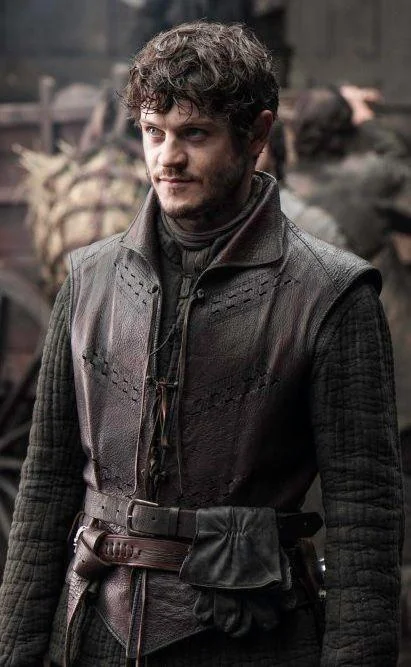
In Empress Laseen, Coriolanus Snow and Ramsay Bolton, we see this trend made manifest. Gardens of the Moon opens on the wanton culling through murder of the wax witches in the Mouse Quarter of Malaz City by the aforementioned Empress's express order; and the later willingness to sacrifice the Wickans to help her secure power also serve as reminders that this is not a woman who will think twice about killing her own people for the sake of her plans. Coriolanus Snow is just a byproduct of an established system that has lasted 75 years, but shows an appalling willingness to employ the Hunger Games as a tactic of control, both wielding the fear it generates and the hope it fosters in the people of the Twelve Districts. And Ramsay Bolton puts on display an intimate familiarity and revelry for the act of torturing those he lords over in ASOIAF.
Villains and violence go hand in hand. As often, we see them using proxies to handle these matters as taking care of business themselves; and when they are forced into situations that demand their direct attention, we often see that they relish these experiences--the intimacy of torture and murder, of manipulation and generating hopelessness.
5. A Complete Lack of Empathy
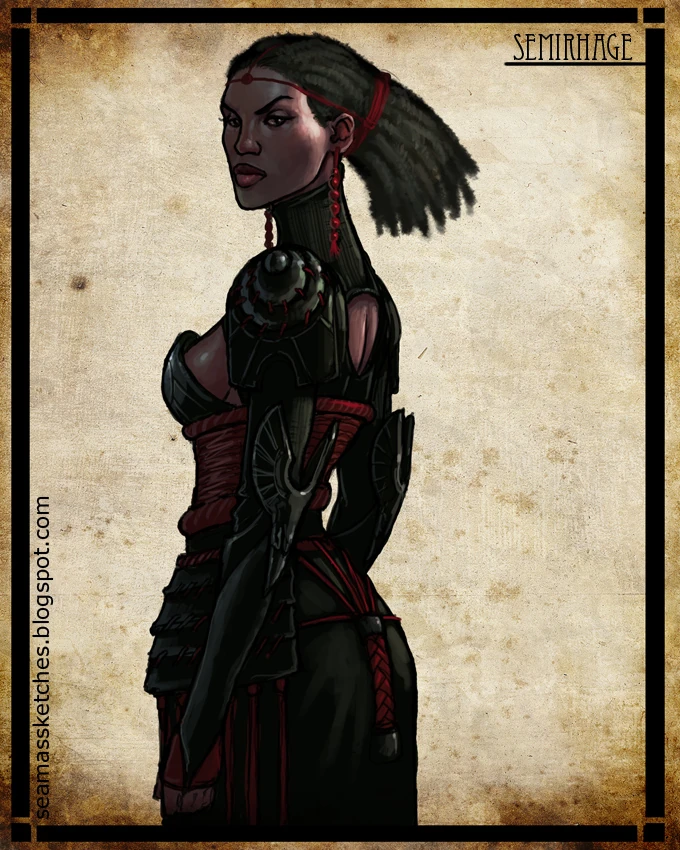
Perhaps the most critical feature of a villain is an utter lack of empathy. We see that exemplified in several of the Forsaken in the Wheel of Time Series, but it is embodied most effectively, I think, in the twin prongs of the healers turned horrors: Graendal and Semirhage. For context, in the before times when Aiel were growing songs with the Nym and everything was at peace, Graendal was a psyhologist and Semirhage a doctor. Both were healers of a kind, and prolific in their crafts. But after the Dark One's prison was breached by Lanfear (poor Lanfear), they both twisted their arts into something else entirely.
Even before turning, Semirhage was known to inflict pain while healing people intentionally. After turning, her penchant for cruelty only increased. Perhaps the most jarring examples of her cruelty, willingness to manipulate others (oh look, that again!), and utter lack of empathy or respect for the dignity and bodily autonomy of others is seen when she attempts to compell a captive Rand Al'Thor to do grievous harm to his lover and future sister-wife, Min. In doing so, she seeks to break his will, and instead forces him to unleash a power derived from the Dark One himself, breaking a taboo, yes, but ultimately saving them both from her.
In Graendal, we see Compulsion (mind control) wielded to such a gross degree that the humanity is stripped out of her targets completely, and they will likely never be the same. She uses people as furniture, compells them to entertain her with their naked bodies, and she often does this with important figures. She is a trophy collector, and her fortress at Natrim's Barrow is absolutely teaming with people who have lost all sense of self, who exist to please, who she has robbed of their autoonomy.
These two are interesting to watch, because even as you have no choice but to hate them, you can't pin down where the line is for either. Eventually, it becomes apparent that there is no limit to the lengths they will go to see their ends through, and often they are engaging in these morally bankrupt acts not in service of an agenda, but for their own amusement.