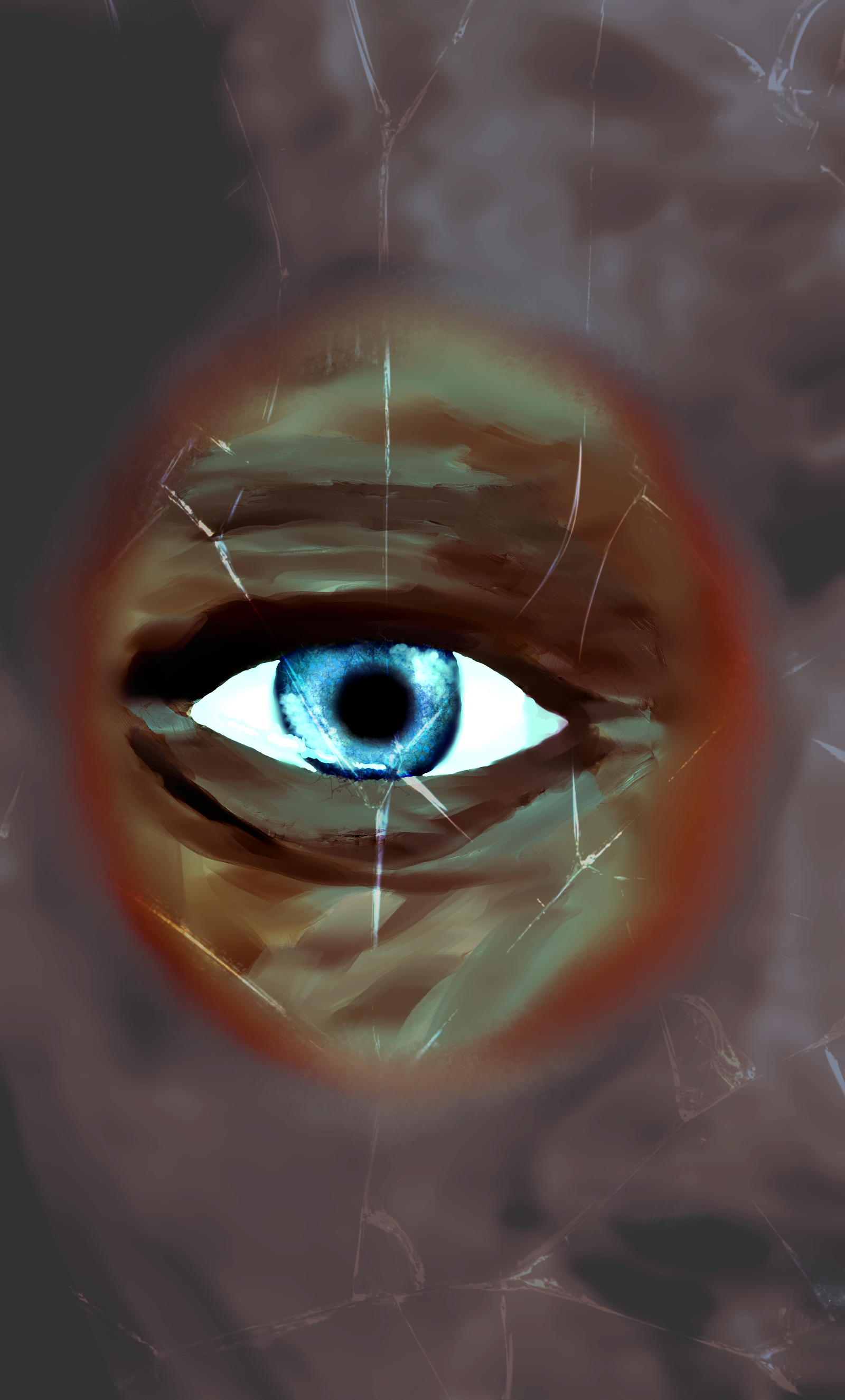
Why Are Watchers Banned in Empire?
The question came up, when I was building the world The Black Rain Chronicles takes place in, of what weakness a truly immortal being could have. If we assume an immortal has a healing factor that renders physical damage incapable of destroying them, or if they are simply impervious to such damage, what can harm them? If they possess eternal life, what could they possibly have to fear from mortal beings?
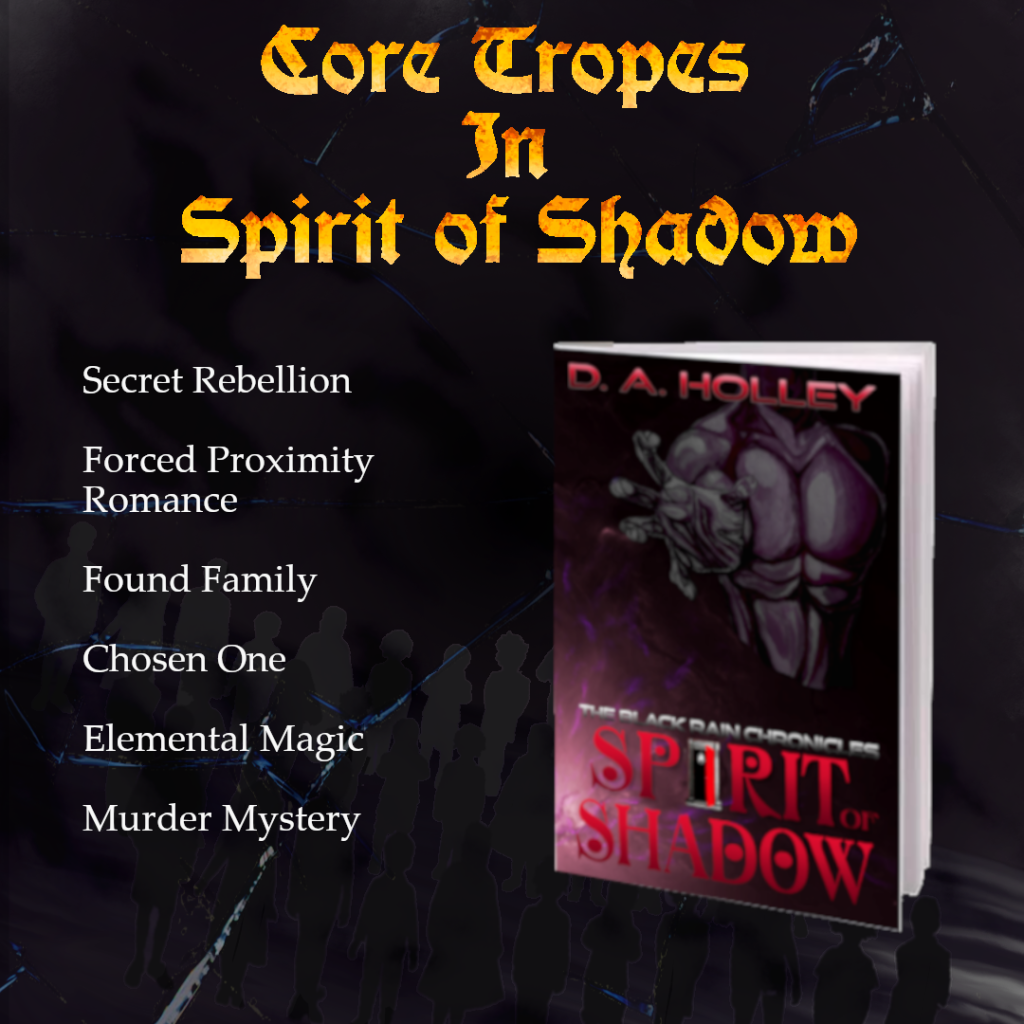
These questions sit at the core of every godly creation we, as authors, put forward for our readers' consumption. The core problem remains that a godly entity, someone who is truly immortal, someone who simply can't die, needs a critical weakness if they are to have an active role in the plot, especially if they are positioned as the big bad guy. You'll see this play out in Spirit of Shadow, when you download it for free with a Kindle Unlimited subscription, but before we get deeper into the lore specific to The Black Rain Chronicles as a series, let's take a look at some ways industry juggernauts like Robert Jordan and Stephen Erickson have approached this problem.
Critical Flaws in Immortal Entities
One way to get around this is to eliminate omnipotence from the equation. Introducing blind spots to the immortal character, reducing their capacity to perceive the world and all of its complexities from the position of such omnipotence, opens the door to containing them in some way.
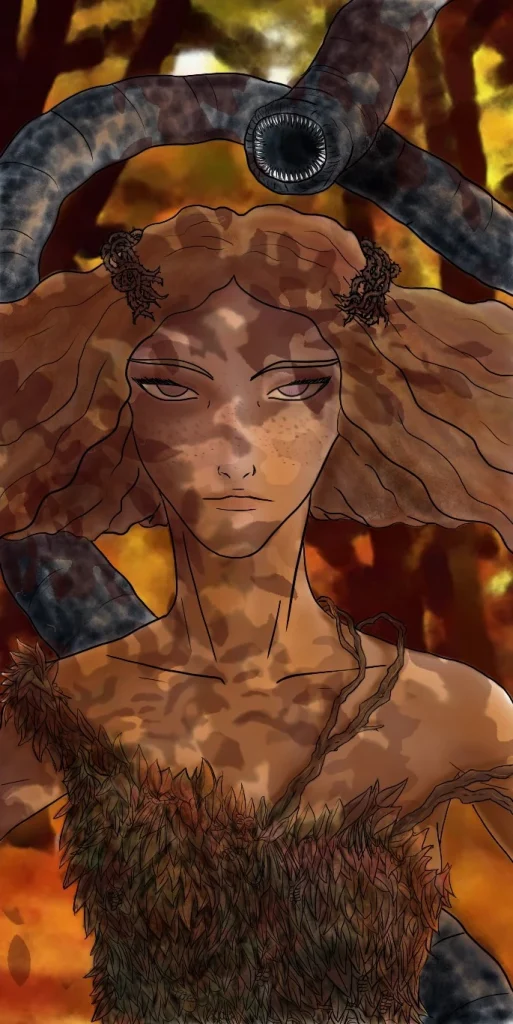
You see this in The Wheel of Time. The Dark One is a godly entity who is omnipresent, but who cannot perceive all that transpires in the world and across the Pattern, at least not enough to avoid being sealed at a safe distance, such that the world may go on without its influence. Though it has a direct influence on the plot, it is ultimately incapable of throttling fate or circumstance so aggressively as to thwart the Dragon's avatars in any given age.
An author could also take the approach Stephen Erickson did in Malazan: Book of the Fallen. The elder gods are all personifications of raw forces. Each has an aspect that defines much of what they are. But they are also capable of taking damage, being caged, potentially even being killed. And yet, though these features certainly qualify as critical weaknesses, they are not the most interesting aspect of them. Mortal belief shapes the nature of the gods in this world, and it is entirely possible for these creatures to lose their minds, or have their entire personalities reconstructed to align with popular mortal sentiment. What's more, it's possible for them to lose their minds entirely when schisms in their faiths occur. One spectacular example of a god taking preemptive actions to prevent this from happening to them lies in D'rek moving against her worshippers when they align with a god she does not want to side with in the sprawling, epic conflict at the center of the story. She handles this by killing off the vast majority of them, leaving just two of her priests alive in the aftermath of this bloody ordeal. Doing so eliminates any possibility of her being corrupted by their influence.
At least, that's the way I understood her reasoning for doing what she did. This all happens off page, of course, but we see the aftermath alluded to as we read these books. We find, buried in her actions, both the cost of being godly, and the means by which one so blessed may seek to reassert the balance.
So why are Watchers banned from the Sun Empire?
Because in their ability to see into and manipulate minds lies a critical weakness certain Immortals would rather not deal with. It started with Neldeva and Arador, two villains you haven't met yet, and won't for some time. They are both referenced in Broken Bonds, when Bartamus makes a critical choice that opens the way for him to execute his role in the scheme Hugo Silvanes has set forward.
These two represent different sides of an equation the math of which destabilizes how we conceptualize what it is to be an Immortal. Neldeva is well known for her ability to deconstruct and reconstruct a person's entire personality, effectively turning them into someone else. Arador is known for his work in creating a subservient class of zombies whom he has direct control over, by wiping the minds of living men and rendering them incapable of higher thought. In doing so, he creates an army of loyal soldiers who have just enough left of who they were to execute his orders precisely, or act in ways consistent with certain external stimuli that trigger behavioral patterns Arador has left entrenched in them.
In both cases, you see operant conditioning in full effect, made invasive due to the nature of their powers. The knowledge that these abilities exist, and that mortals born with the particular gift which allows them intimate access to the deepest reaches of the mind, informs the behavior of those Immortals in a similar way to what you see from D'rek in Malazan: Book of the Fallen.
How this present in The Black Rain Chronicles is in a blanket ban on Watchers, who possess this gift, entering or inhabiting the Sun Empire. They are often imprisoned for life or executed outright when they are found, to mitigate any risk that an Immortal susceptible to their gifts might come into contact with them. In Spirit of Shadow, you see this play out directly, when a cabal of Watchers, knowing they are probably rushing to their deaths, face off against Conan, Light of Bliss, the emperor himself, drawing his attention long enough that a rebel force can do what they came to do. (Spirit of Shadow, Blood & Faith, p. 531) Their sacrifice has the potential to eliminate a direct threat to the rebels, and this does the service of highlighting perhaps the most critical weakness in an entity whom is more or less impervious to damage, and who cannot die.
The critical flaw: Conan possesses no immunity to the Watcher's gift. His mind is open to their manipulations. His memories could just as well be deleted through the use of their power...permanently. It would be a feat beyond the ability of a single Watcher or even a group this size to eliminate every memory he possesses, as he has lived for thousands of years, but what might happen if they targeted specific memories that cut close to the core of who he is?
Eliminate memories of the only lover the Sun Emperor ever cared about, and you inflict a kind of pain on him that goes beyond physical wounds, creating disharmony in the canon of his life, and opening gaps which are nonetheless surrounded by other memories to inform him that something is missing, that something was taken. Delete memories associated with his plots, or information necessary to execute certain judgments, and you have critically wounded an Immortal without having to do anything to his body. His cognitions have become less trustworthy. Instability has entered the landscape of his mind. He has been violated in a way that cannot be undone. Worse, someone else might possess copies of those critical pieces to the puzzle, which they may now ransom to him in exchange for specific concessions that benefit them, and if those memories are pivotal to his success in plans already laid out and set in motion, he might have a strong incentive to give them what they want, leaving him at their mercy.
Watchers are outlawed in the Sun Empire because they are a potent weapon against a totalitarian ruler who has few other weaknesses to speak of. They are equivocal to the arrow of mistletoe to the god, Baldr. They are an Immortal's Achilles heel. So, they need to be contained. They need to be culled. An emperor who faces such a weakness will have it no other way.
Broken Bonds and Spirit of Shadow both feature Watchers as critical pieces in their plots. The expressions of this power are shown in service of both good and evil. With a Kindle Unlimited subscription, you can see how potent these powers are in direct confrontations with immortal beings, as you read Spirit of Shadow. You'll also see the devastating effects they can have on mortals as you follow Sami on a revenge quest she becomes entangled in when she meets the Watchers for the first time. (Spirit of Shadow, Blood on the Floor, p. 224)