The Black Rain Archive - What Does Love Leave Behind?
How we create attachments starts in childhood. You've probably encountered this concept recently from an armchair psychologist at the local watering hole as he's been tacitly trying to hit on you. Attachment types are the new astrology here in Philly. But what happens when our formative bonds within the nuclear family are abruptly stripped away? That's the central question I'd like you to keep in mind as we dig into today's post.
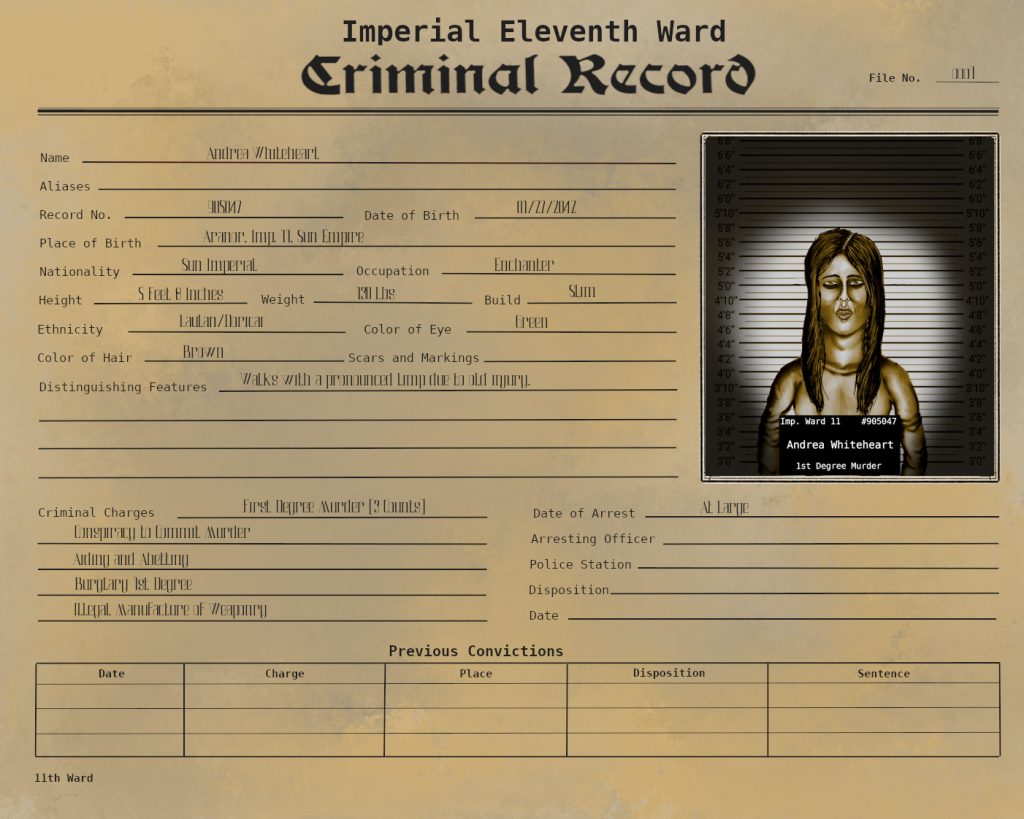
In The Black Rain Chronicles, we meet the Whiteheart children after they have been separated. They have been denied the familial bonds that help most of us become who we are as adults. We meet them at different stages in their lives, explore their histories through flashbacks, and insights taken from other characters as foils for their emotional baggage. We see echoes of past hurts in the way they communicate with others, who they surround themselves with, what those people represent to them. We see it in the way they interact with the world around them, as they wade through the darkness within themselves, and seek shelter in the embrace of others who serve as reflections of the qualities inherent within them.
I want to take some time today to look at the way the first bonds they knew shaped them. I want to look at what taking those bonds away did to them psychologically, but I can't give you the complete picture yet. We're still one book away from a full analysis of the Whiteheart legacy. So, instead, I'm going to take this time today to explore what these bonds mean to Andrea, and what their removal did to her.
Lance: The Unbroken Chain
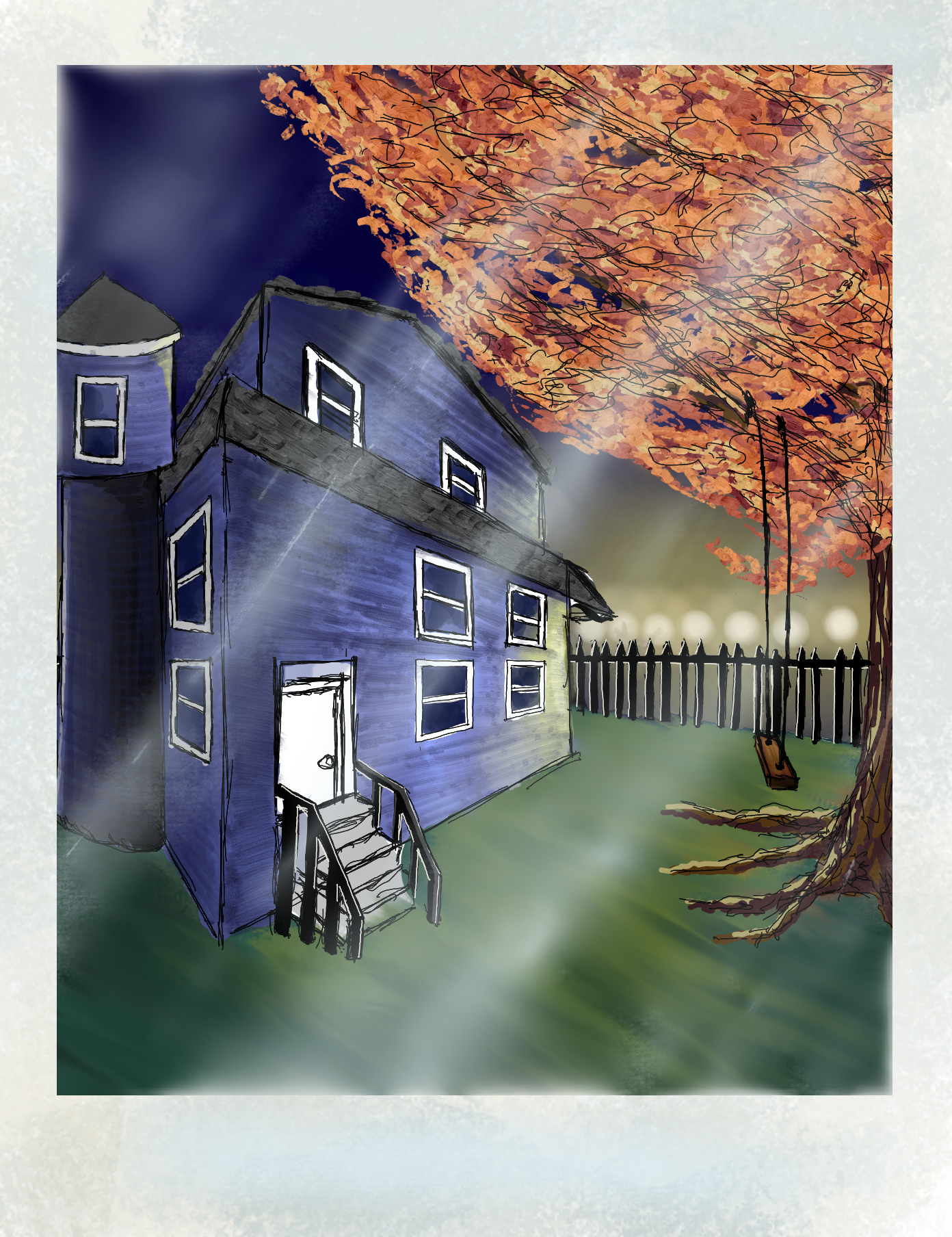
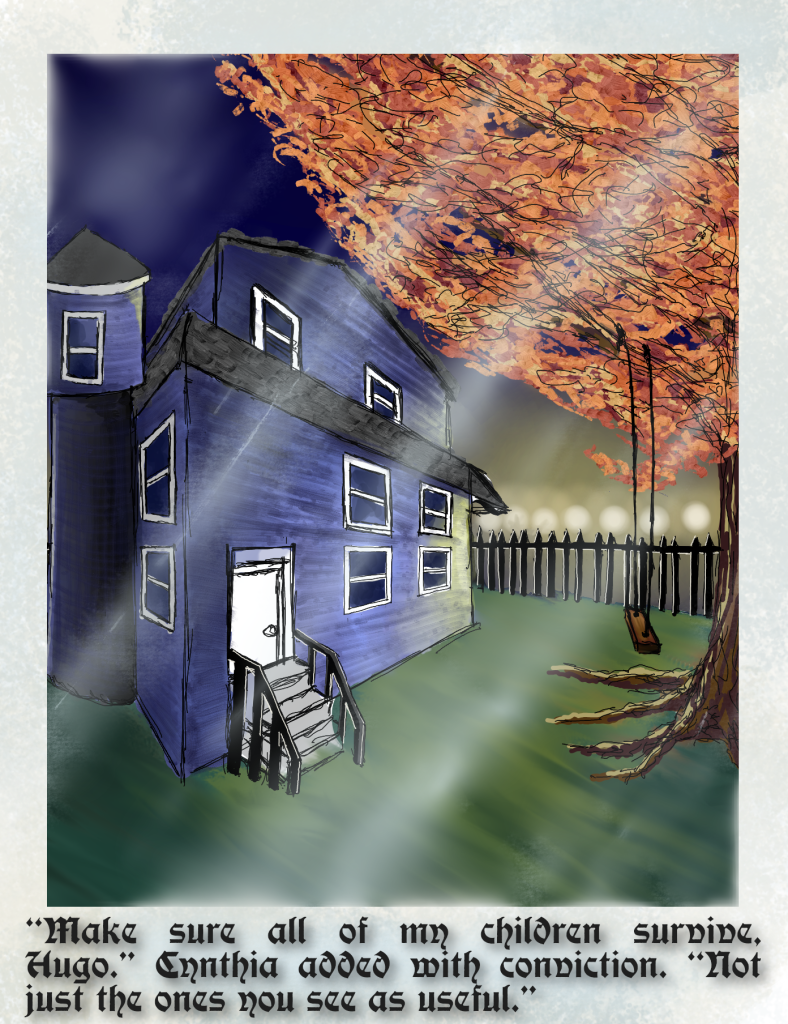
Lance represents the last bond Andrea loses, and because his removal brings a sense of final reckoning into her life, it's him she has the most difficulty letting go of. When a fire swept through her house, a distraction meant to obfuscate the details of the deaths of her parents, she bore witness to Lance's final moments. Fire ravaging their home, the last safe place she ever knew, she became an active participant in his demise when she was proven, at the age of twelve, to be inferior to the challenge of saving him.
Lance was also the youngest of her siblings. He was the one who needed the most protecting. He was just three when their parents were assassinated, was trapped in his bedroom, a cave in on the stairway outside preventing Andrea from opening his door, getting him out. He was alone, trapped, and terrified, and she could do nothing except redirect him to the window, a last ditch effort to get him free. Not strong enough to open it all the way, he nonetheless attempted escape with her watching, helpless from the yard, and this is the memory she most strongly associates with him.
She was supposed to be his protector. Instead, she watched from the sidelines, helpless and terrified, as his last moments played out before her. A lie told to her by her uncle sealed his fate in her mind. A lie confirming a record of Lance's death. In that lie, she found culpability for his demise, because she was simply not enough to save him.
Traumatic moments tend to become frozen in time, rendered in vivid detail for those who experience those memories. They intrude upon our lives, interrupt our thoughts, leave us spinning. They drag us into depression and ramp up anxiety. Eventually, we build systems around those subjects, structures designed to prevent us from succumbing to their influence at inopportune moments. Letting go comes in stages, if it comes at all. For some, moving on becomes synonymous with dismissing the person we loved and then lost. For Andrea, this struggle cuts close to the core of her identity.
Alex: The Disappearing Act
Alex did not die in front of Andrea. There was no conflagration involved in his taking. Instead, the Whiteheart family witnessed his capture by a man who shouldn't exist, and certainly shouldn't have been permitted access to him, while on vacation on the shore of the Summer Sea. With Alex's taking, Andrea was left with uncertainty surrounding his whereabouts, his condition, whether he was alive or dead. There was always a chance he might return, but who would return wearing his face?
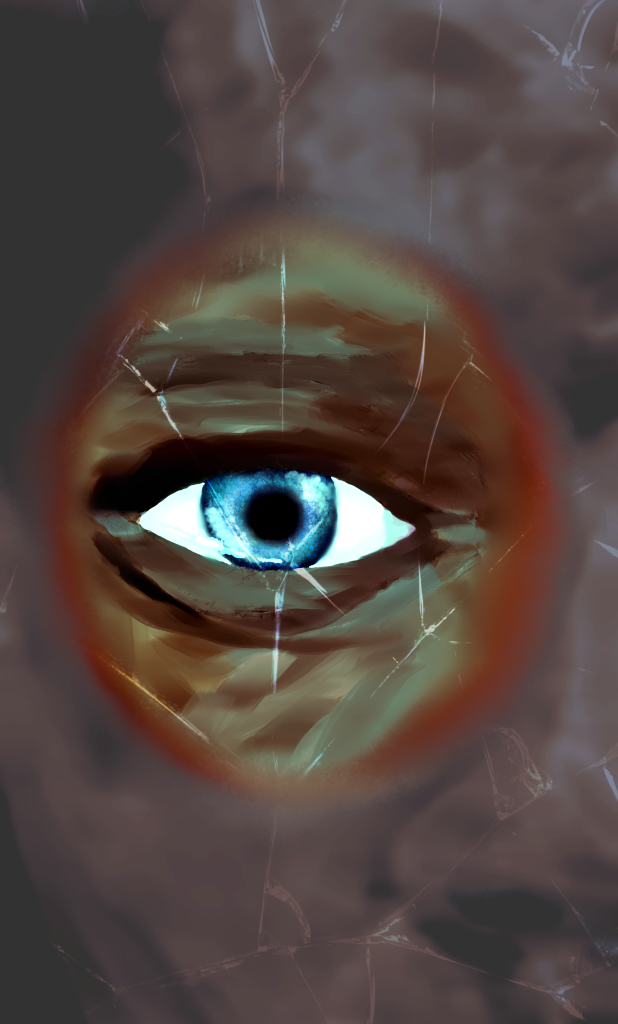
The question becomes one of identity when faced with the trauma of such a loss. Hope keeps the heart aching. The loss never stops hurting, because it is defined by possibility. The person gone missing could return, and yet their kin must bury them in their mind in order to move on. Guilt interplays with that sense of hope, because to leave them to their death means bringing finality into the struggle.
Losing Alex leaves a deep scar buried in Andrea's soul, and becomes a guidepost in her emotional landscape from which her unraveling and eventual rebuild unfurls. It isn't guilt that plagues her, but the potential for Alex's return. It's hope and dread sung with the same timbre, at the same volume, in her ears. She can't let go of Alex, because to let go of him would be to accept his death, something she does eventually force herself to do. But that too feeds into a great lie. By the time the truth is exposed, she has shaped her entire identity around the loss of her family, in particular the brothers who had done nothing wrong, who never had a chance to, and were still ripped away from her.
Hope is reserved for the possibility of his return. Dread is for who will return to replace the five-year-old boy she knew. What will the boy be like five years later? Ten? Seventeen? Should he return, he will be a man. It may be better, then, to let him die, let him be dead in her mind, because the person she knew certainly is.
Cynthia: A Mother's Love
In Cynthia, we see an anomaly. Cynthia is gifted with the natural powers of a Shield, someone who possesses immunity to the influences of the other Gifts of the Blood (of the Watcher, Whisperer, Seer, and Seem). The sister of Hugo Silvanes, she was born first, and served as a tempering force against his Whispering, as the only person who could constrain him because she was immune to his magically enhanced powers of persuasion. She alone could see through his lies, and cut directly to the core of him. If she demanded a promise from him, he would be honor bound to keep it. If she forced him to speak the truth, she knew he would keep his word to her, out of a sense of loyalty.
Hugo hated her and loved her in equal measure; but he also feared who he would become with her gone.
Her dying wish was that he keep all of her children alive, and that he never leave Andrea alone. She understood her decision to leave Andrea under his guardianship might one day cause Andrea to hate her, but saw this as the most efficient and most certain means of ensuring her children all survived, even as she knew she could not.
When she died, Andrea's anchor was ripped away. The woman who would teach her how to be a woman was no longer around. Hugo no longer had a tempering influence to keep him constrained. So, Hugo taught her to survive in the way he knew how, in keeping his promise to her mother, and made her into a weapon in his hand, for her protection, and for his use.
Markus: The Moral Compass
Markus represents religious devotion, martyrdom, necessary sacrifice, and duty. To Andrea, he also represents compassion, kindness, everything a father should be. At twelve years old, she loses the man she looked up to abruptly.
Often, traumatic loss denies us the ability to see a loved one's personhood, their fallibility. Markus was an imperfect person, who made decisions that directly harmed countless people, and yet he saw his mission as one that justified every act of cruelty he tolerated, every political decision he ever made. Andrea did not know this side of him in life, but she understood he chose Hugo as a friend, and Hugo may never have seen anyone else as worthy of filling that role for him.
With his death, a perfect replica of him is sealed into her memories, so that he is greater than he was. In her mind, her father represents perfection or something very close to it. He is her moral guidepost. She seeks to be like him, but she did not know him in any other context than that of fatherhood to a girl who needed guidance. Even as she sees him through this lens, there is always the creeping sense that someone like him must either have been too naive to understand what Hugo was, or that he must have shared qualities with him that allowed them to remain friends despite Hugo's callousness.
There is ever and always a challenge to the image of her father she holds onto in his relationship to Hugo Silvanes, and so she is met with two images she cannot reconcile.
Hugo: The One They Left Behind
Consider what we've discussed up to this point. Hugo is constrained by his sister, Cynthia. Her husband, Markus, is the only person he ever thought of as a friend. He has sworn to protect all of their children from harm, but he is himself a psychopath. The way in which he views the world is inherently different than the way an average person does. He has an intimate understanding of the human condition, of human impulse, layered psychologies, and how to exploit the weaknesses within them. He nonetheless views everything through the lens of utility.
As Markus says his final goodbyes to Hugo, he does not make him promise to keep his daughter alive like Cynthia does. Rather, he gives him a reason doing so is necessary. Cynthia appeals to his sense of loyalty, while Markus appeals to his sense of rationality. If Andrea can serve a purpose no one else can fill, she has value. The incentive in keeping her alive now is what she can do for their cause later.
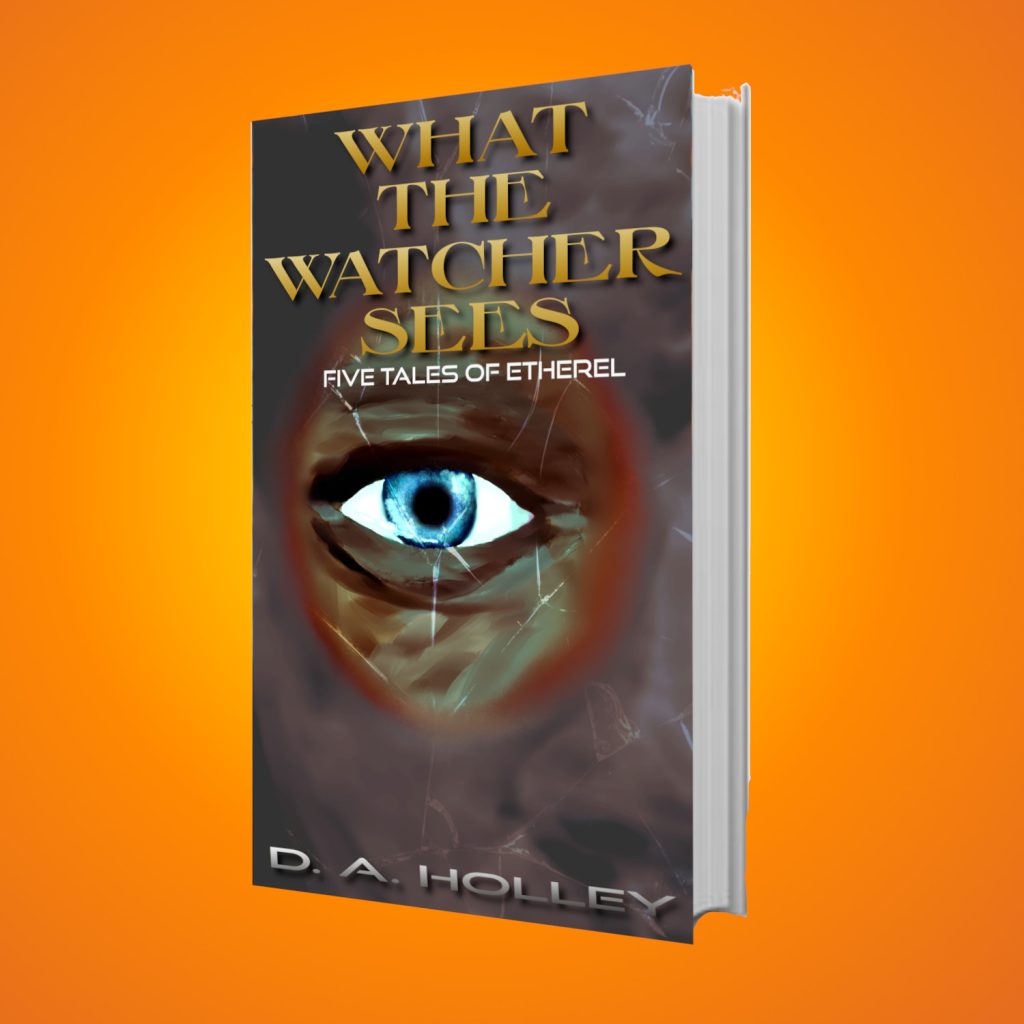
He probably does love her in his way. In a short story in What The Watcher Sees, you can plainly see he views her as the most like him of all of Markus and Cynthia's children, even as he believes she is the least useful of the three of them. She represents the one who can become a true Silvanes, the one who can learn to scheme and manipulate on political stages, bend powerful wills to her whims, and get the results she desires out of others. He understands her to be practical at a young age, capable of weaponizing her emotions, but she doesn't do these things for nefarious purposes. In a game of hide and seek, when she loses her brothers due to an unfair advantage they possess, she puts on crocodile tears to get out of trouble, so that she can go to a social with her friends when the weekend arrives. Yes, she displays the characteristics he values in that moment, but she is just a girl, selfish because she is young, willing to go to those lengths because life and circumstance have not tempered those impulses in her yet.
Instead of teaching her to be compassionate and to value communion with others, he flays open her identity and pulls out the worst qualities within her, seeking to use them to reshape her into the person he wants her to be. Her resistance is proof of her humanity, even as it ties back to her impossibly immaculate view of who her parents were. She does not want to be like him, but he will not accept her unless she displays the qualities he believes will keep her alive and safe.
What Might We Have Become Together?
At the core of Andrea's identity lies this question. It's the question that bubbles to the surface whenever she thinks about the family she lost. Whether it's who she might be if her mother had been there to teach her lessons of womanhood, or the improvements to their respective crafts she and her father might have made had she had more time with him to learn enchanting, or the kinship she felt for her brothers when they were still all knees and elbows, it is this question that defines those broken bonds.
What is left to her in the aftermath of it all is just Hugo, his all consuming shadow looming over her life, promising her deceit, pain and internal conflict. Her life in absence of her family is bent to his will, shaped by his hand, and she risks being made into something her family would not recognize, if she surrenders everything she is to him.
When, in Broken Bonds, Hugo gives voice to the lie he has been telling her for seventeen years, and tells her that her brothers are in fact alive, that he has known where they were all along, he cuts straight to the core of who she is. She has shaped her identity around loss. She has let them go. Now, she must reconcile that everything she has known about her family over all of those years was predicated on a truth Hugo would not tell her, because he saw no use in telling her. We see her grapple with this dilemma in Broken Bonds, as echoes of necromancy build in Aranor, and she is faced with a final decision.
Can she break her final bond with Hugo? Can she at last let go of him?